Winter 2025

As the Teepee Turns


Harry was born but he doesn’t know when. In those days you were born when the snow was deep or the hard rains of summer came down. Or when the corn was “this tall” Harry wanted to tell me about himself, about what he remembered. I was a small boy he continued. Some of my siblings passed over. They were a little older than me, one day they were all gone. My father and mother were afraid they would lose me too. One day they hitched up the horses to our old wagon. We rode very far. The wagon finally stopped at a cabin. I was left there with some Christians. I started to learn some English words. I ate food, it was good. At night time I cried for my family. Time passed, and one day the Christians took me on a long journey to a place called Oklahoma. They put me in school. I liked it and the “food.” I tasted a thing called ice cream! We sang songs to their God and His son. I made friends and learned to speak more English. They cut my hair and put me in a tub of water. Now you are ready for heaven they said. And that is how I got the name Harry. That is what they called me when I got wet.I don’t remember what my parents called me. At the school, I ate corn and melons. That made me remember my childhood days. One day I grew tall and became a teenager. I wished to go home I told the school. They arranged it. When I got to the Indian reservation no one remembered me. Now I was really lost.

A Navajo man came by and spoke to me, some in English and some in Navajo. Go to California he said. Get a job on the railroad. They’ll take anyone. I hitched a ride over to the place called California. I fell in love with that place. I saw food hanging from trees. It was a wonderful place.

Then I learned my boss’s name was also Harry. We laughed about that. I was a good worker. I stayed there for some time.

Then I decided to try again to find my place on the reservation. I got there and met a Navajo lady. She could herd sheep and make good traditional fry bread. I told her to marry me. She told me to get permission from her family. If they agreed it would be good.

One day, she said, “I have a friend. She’s a Christian. She must be from Oklahoma,” Harry thought. Harry and Sylvia met, and Sylvia told Harry the same story about God and his Son.

The years went by. Harry wanted to help his people who were so often ill. He learned the different herbs that could heal his people. Harry holds Jesus with one hand and the herbs with the other.
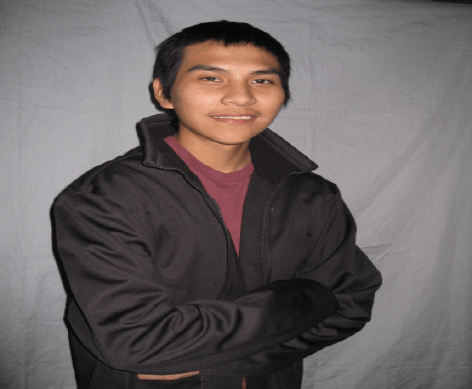
Harry and his wife had children and grandchildren. One is a teenage grandson, Alberlando.” He has the call of God on his life. Keep this young man in your prayers as he learns to walk and follow God’s plan for his life. He wants to get baptized like grandpa did and spread the “Jesus Story” across their Indian Reservation.
Winter 2024

I won’t do it Ruby said, I won’t! Ruby was really upset. She was a teacher at school on the Navajo Indian Reservation. She was raised not far from the school. When she was small she and grandmother would herd the flock of sheep. Grandmother taught Ruby their Navajo culture and traditions. Our Navajo ways are strong and must never be broken for any reason grandmother said. And, she told Ruby you must always respect your mothers wishes. Ruby was now a thirty year old lady grown up with a mind of her own. She was educated to a point.
I won’t do it, I can’t, she was fuming. Last night the family gathered to tell Ruby her mother and sisters found her a man to marry. They went “shopping” and they found him. His mother agreed, yes, this is good for my son. Culture had to be obeyed. Both mothers spent many hours getting to know each other. This was the culture grandmother was talking about so long ago. Ruby had to obey. The family had it all planned. The medicine man was hired and would be paid three sheep. The bride and groom would drink fresh water from an ancient clay pot, a symbol of spiritual cleansing. This would make the union legal. Fresh mutton would be served and fresh corn roasted over the open fires. Relatives and friends from far and near would arrive. Everyone would be laughing and happy except the bride.
I remember Ruby at school months after the ceremony. She was not laughing. She was not happy. Sylvia, she said to me; I told my family I will do my own “shopping” from now on, and, she continued, I’m going to get rid of him. He is good for nothing and he does nothing! Every morning he goes to his mothers Hogan to have coffee. He acts like a child that never grew up. The next time he goes for coffee I’ll divorce him. I’ll do it in our traditional way. I’ll put all his clothes outside the door with his saddle on top. That’s our traditional divorce. No arguing no talking, it’s done.
I had not been feeling well for some time. The Navajo ladies came by to look at me. You don’t look so good Sylvia we’ll help you in “our” ways. They brought Navajo Tea that was supposed to bring the healing spirits over me. But I continued to feel ill. One morning they arrived with good news. You’re like a sister to us. We will fix you and make you well. Oh! Good I thought, some one really cares. They smiled and explained this is a healing done only by Navajo women. We will come back with cedar wood. We will make a small fire. When it burns down to just smoke we will roll you up in wet blankets and you will stand like a tee pee over the smoke. They arrived. I saw the wood, I saw the blankets, I smelled the smoke!! Many years later I can truly say Praise God, He uses all of His creation to Bless us.


Bath In A Bucket

It was Christmas Eve. I was living on the Navajo Indian Reservation in a very old and small travel trailer. It was a box on two wheels. The idea of Christmas had not yet reached the Indian people. I want to take a bath to celebrate Christmas I said to myself. I got a plastic five gallon bucket, water was scarce but I was celebrating and it was worth it. The night was cold, with snow and mud outside. I took a piece of card board to stand on. I couldn’t take a bath during the day because the Indians used binoculars to keep watch over their sheep. The dark of night was my only chance. The warm water rinsed over my body. I looked up to Give Thanks. That’s when I experienced the “Wonder Of It All” That connection with Heaven and our Savior who came to earth. He sees, He knows, He cares even if you’re standing in mud.
Every new generation has dreams. At school today, I asked students what their dreams were. I am so very happy to share with you their answers; doctor, teacher, nurse, veterinarian, Marines, truck driver, Navajo Nation Police Officer. What really touched my heart was when some said “I want to grow up and live to help other people” These are students you encourage with your prayers and gifts.
Sylvia

Summer 2024

I was so hungry. I was new to the Navajo Indian reservation. I had no training what to do or how to survive. I just knew I was hungry- always hungry. God, I said as I looked up where I hoped He was looking down on me. I want something to eat I repeated. I waited; I didn’t know what to do. Then I felt a thought come to me. “Go” the thought was stronger. Go to a family on the mesa. But I don’t want to I answered back. That will take me an hour and the gas tank is almost empty. “GO” I heard again. Now I wasn’t only hungry I was angry. I grabbed the keys and spun the tires in the dust. Over the trails I bounced. At last I found their hogon home. The sheep were still in the corral and horses tied nearby. I could smell the traditional fry bread before I entered the home. About ten or twelve people were getting ready to sit on the dirt floor to eat. I stood there waiting for their body language that would invite me to join them. It didn’t happen. I turned to leave, tears in my eyes. I was so disappointed and wanted to tell God what I thought. I turned the key ready to leave when an Indian boy shouted “wait” In about thirty seconds he handed me a large round fry bread with salt sprinkled on top. I thanked him in the Navajo language. I bounced along the trail for home and thanked God for again blessing me. I also said I was sorry for being ugly when He was trying to teach me to trust Him. And yes, He even made it possible for me to fill the gas tank.
One winter morning I was invited to eat with a family. They wanted to treat me to a favorite breakfast. It was called blue marbles. It was blue corn meal mixed with juniper ashes. Small corn balls floated in a gravy of blue mush. I learned this is a healthy meal and good for the body, and is full of calcium. Another favorite meal is sheep blood mixed with oatmeal and string beans then slowly simmered tied up in the sheep stomach. In a couple hours its ready to enjoy.
We always ate with our fingers. A rag was passed around to wipe fingers and chins. Toddlers were fed the chewed food from the parents and grandparents. I remember when a spoon first appeared among the people. What fun for us all to use it and share.

This spring I start my fifty-sixth year on the Navajo Reservation. God has been so good to me in many different ways, the list is long and memorable.
My daughter has been with me six wonderful years. The people love her. She isn’t like me. She’s sweet and quiet. She does all the driving, lifting, hauling and loading. She hands out Gospel tracts and other easy reading material. She’s kind, she’s soft, she’s tough, she’s a complete package. She’s also a good listener when the Navajo people need a listening ear.
We will soon start the summer lunch program. Our native adults help with the distribution and getting people together. Years ago, they fed me. Please help us with “Food for Families” this summer. Go with us in spirit and prayer- we really really need your help.

2024

She was going home. She was so excited to see her family. Home was the Navajo Reservation. There were no schools on the reservation in 1955. She and others attended school out of state. Summer vacation was going to be so much fun. She would see her cousins and share stories about their school and what new things they learned. She and her cousins would herd sheep, make traditional fry bread. Oh how they all missed the taste of mutton with blue corn. She was fourteen and ready to embrace her native life all summer. She would ride her horse in a group with friends. They would ride to the trading post and treat themselves to a little candy. At school candy was not allowed. It’s bad for the teeth the students were told.
The girl was interested in teeth and one day she decided to be a dental assistant. The dentist at school let her help sign students in for check-up’s. She saw students in pain, but the dentist fixed the problem. I want to help people, she smiled to herself.
She rode home in her parents’ buckboard wagon. The trail was long and rough. When she left home to attend school, she cried. Now she could smile. I love learning she said to herself. Home is great, but I want to return to school.
She slept in her hogan home for the first time in many months. She woke and could smell the coffee bubbling on the fire outside. Her spirits soared, she ran outside to find her favorite horse. His name was Cloud. He was the color of a cloud full of rain. She took a long ride. She returned home happy and out of breath.
Come here her dad said, I want to tell you something important. Yes father she answered him in the Navajo language. She was very obedient as all Navajo children were taught in those day. Her dad always looked stern but she knew he had a soft heart. Tomorrow there is going to be a wedding. You will marry the person we have chosen for you. Her father’s voice was soft but stern. Then he said your traditional clothes are ready. In the morning clean your hair and wipe your teeth, and he said your new moccasins are waiting. The girl could not believe what she was hearing. She could not think for the pounding of her heart. She wanted to tell her dad of her dream to be a dentist helper. She wanted to help people in pain. But her culture forbade her talking back at a time like this.
The next morning she readied herself. There waited the moccasins. I will not wear them she said to herself. I will wear my school shoes. They are so pretty and they are called saddle shoes.

Many people arrived. The butchering of sheep started early in the cool of the day. The cooking fires would soon be ready to prepare the feast. People were happy. Everyone was greeting each other. Soon the medicine man arrived. The girl hung her head as she entered the teepee. She did not want to be here. Oh, Great Spirit help me, she prayed. The feast lasted many days. At last, the young couple was alone. I will find a way to make him hate me she said. I will burn the bread, I will act ugly to him, he will leave. But he didn’t. She was not a wife; she would not talk to him. She felt mean and hateful.
One day he said something that made her stop in her tracks. I hate Christians he repeated it twice. Right then she got a bright idea. She knew some people that were Christians. She went to them just to spend time away from him. As the months went by she started hearing about God’s love. She was feeling sorry for her attitude toward her husband. The months went by then one day they both accepted Gods calling on their life.
They learned to read the Bible and grow up in His grace. The years flew as they raised their family. They decided to start a Bible class and over the years many Navajo people found Jesus as their Saviour.
A note from Sylvia Webb…..
A teenage grandson of this couple also has a calling on his life.
Pray for “Riley” as he learns to share the Salvation story with his Navajo people.
Riley has been a sponsored child since he was small.
With Much Love and
Appreciation,
Sylvia and Sylvia

2023

At Indian Mobile Mission, our mission is to empower and uplift the next generation by ensuring every child has the opportunity to succeed in school. We firmly believe that education and faith make a person whole. Through our mobile initiatives, we aim to bridge the educational gap and provide access to learning resources for children on the Navajo Reservation. We are dedicated to delivering educational tools to inspire young minds.

Our mission extends beyond the classroom walls. We interact in their homes also, with the gospel message. We strive to break down barriers and enable children, regardless of their background, to unleash their full potential.

Indian Mobile Mission is committed to fostering a love for learning. We work with teachers’ parents and the community. The teachers and pastors of today were the toddlers of yesteryear when I arrived on the reservation in 1968. Through our mission, we envision a future where every child has equal access to quality education regardless of their circumstances and we are celebrating with them as they succeed.

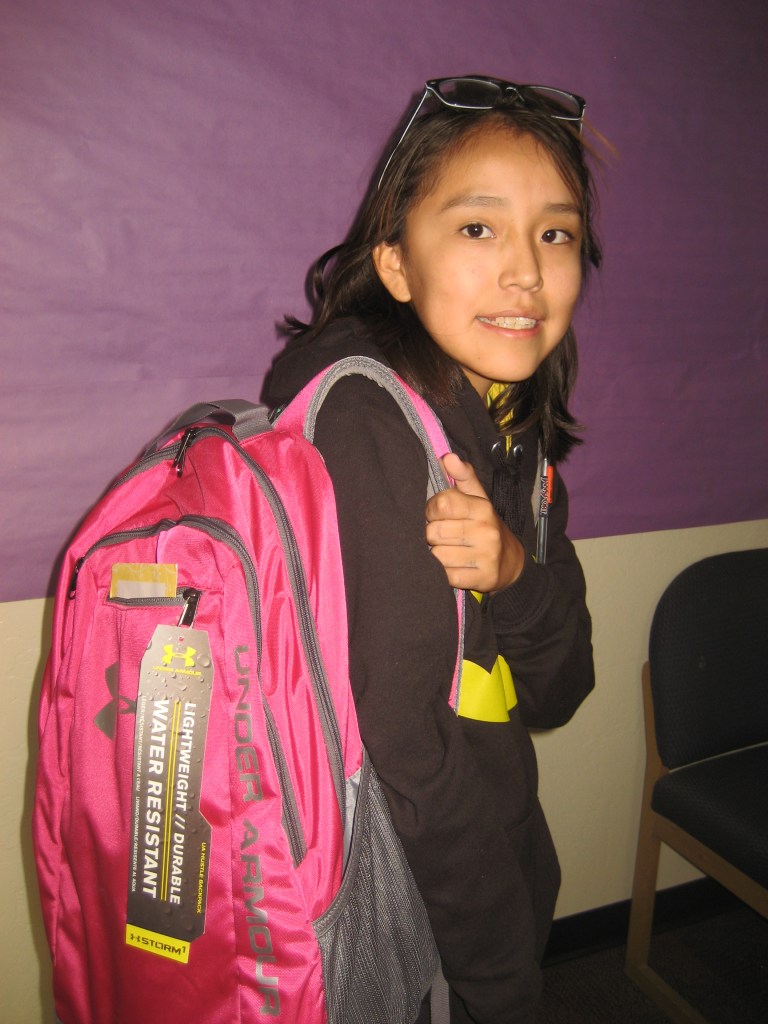
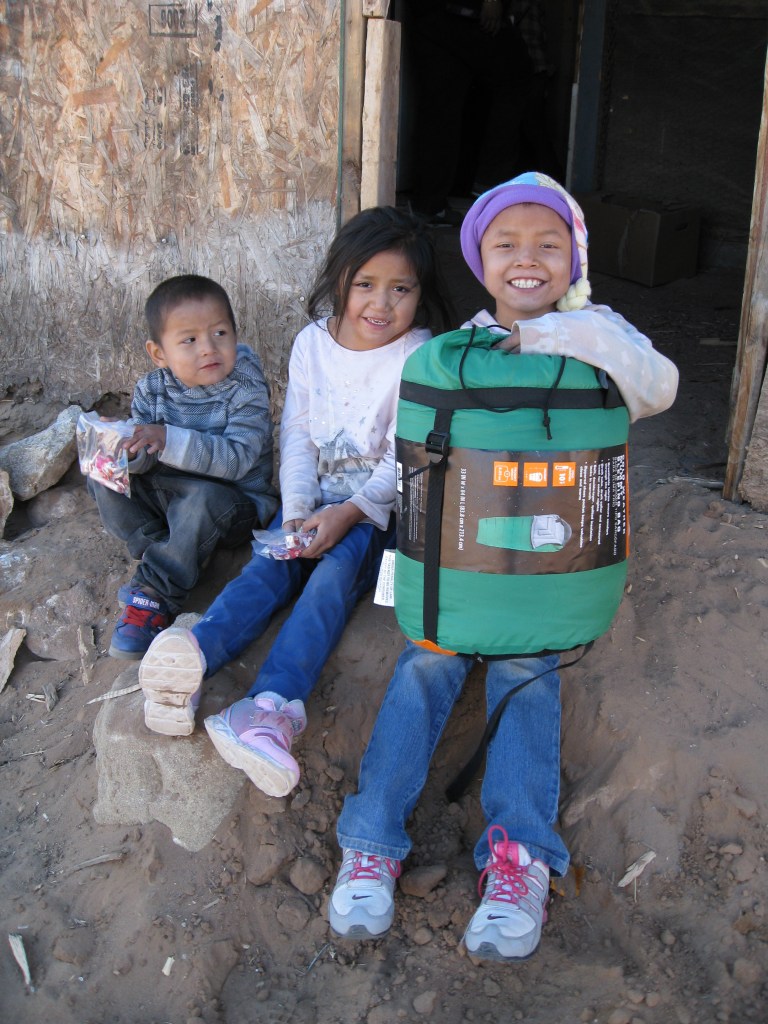
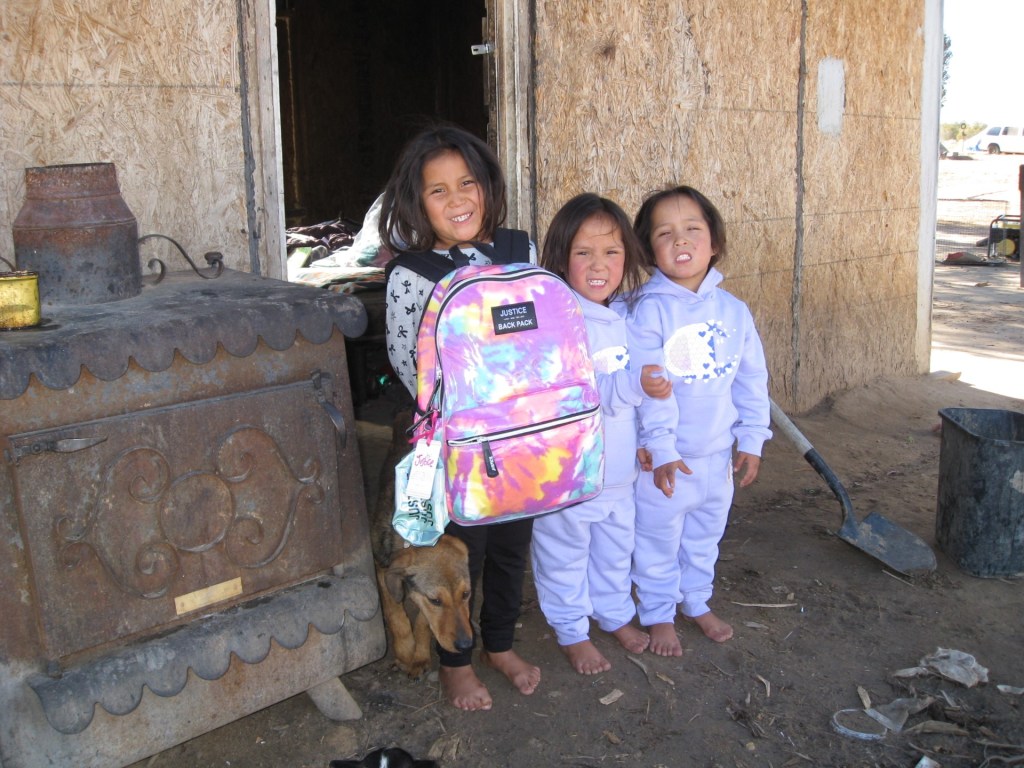
Go With Us in Spirit as we travel to school and homes with your gifts. It helps us meet their individual needs. Some of the needs are water, food, all kinds of paper goods, wipes, paper towels, backpacks, shoes, and classroom supplies.

Our older sponsored children are moving out of the program and looking forward to a future in the military, healthcare field or teaching. They will return and be an inspiration to the next generation. You as a sponsor make all this possible. You make their dreams and future possible.


Winter 2023

The small girl was shy but happy when she saw the gifts from her sponsor. She was wrapped in a pile of dirty blankets. Her cold hands reached for the gifts. The home was one room with tar-paper siding. There was one small window with a plastic bag snapping in the wind. That was the only sound in the home and it was loud and irritating. Depression, sadness, and fear was thick in the air. This was my first time in the home. A woman stood nearby with no expression on her face. A man sat alone with his back to us. The wooden box he sat on was close to the dirt floor. There was no electricity or plumbing. The home was one small room. An Eagle feather with string attached floated overhead. The short cardboard door opened; an aged grand-mother hesitantly entered. A native blanket was wrapped around her stooped shoulders, she leaned on a stick for balance. Her moccasins looked like they were about as old as she was. She asked in her Navajo language why we were there. She was the matriarch of the family and the village. Everybody’s business was her business.
We took a few steps to leave. The young woman spoke in broken English. Do you know how to make a pray? I had been a Christian for years and never was asked that question. I looked straight at her and said “Yes.” Make one for him she indicated to the man sitting on the box. I placed my hands on his shoulders, prayed, and left.
Two weeks later more gifts arrived for the same child. I was thinking of the rough miles to reach the home. Old wagon trails, mud, and slush. We arrived, entered the home and excitement was in the air. The young woman rushed to give me a hug, so un-Navajo-ish. The old grandma entered and gave me a Navajo greeting in her native language, Aheehee “Thank You” I was perplexed, what did I do?
My husband she said. He was blind for a long time. A fire “welding” hurt his eyes. You make a good pray, what did you say? My husband she said, now he can see! We are so happy! We pray to the power of the Eagle Feather, but who do you pray to?
The medicine man, he try to heal my husband. My husband did what he was told. Many days he put sliced raw potatoes on his eyes but he still cannot see. I know they can heal anything, but she added, not this time.
Thus, started weeks, months and yes years of Bible lessons with many questions from them. Their English improved, so did their ability to reason outside the box of depression and fear.
Years forward… the dad and whole family made a choice to follow Jesus. The dad became a paramedic/ and care provider for the elderly. The mom weaves beautiful Navajo rugs. The child that was sponsored grew up to be a blessing in the medical field. A teenage son was tragically killed in an accident. The parents drew closer to Jesus and quietly suffered. From that suffering they emerged singing “Just A Closer Walk With Thee.” Two more daughters joined the family. One went into the medical field, and the last one is a court reporter.
The husband and wife with their guitars blessed their Navajo friends, families and neighbors. Covid took its toll, but hearing the old time Gospel songs gave the grieving families strength to go forward, still holding their loved ones in their hearts.
And yes, the old grandmother became a follower of Jesus, the best she could understand. Brother in-laws, sister in-laws, in-laws, and outlaws all came together, sat around the camp fires and agreed, the Jesus way is the best way. The path is slow but its strong and good and true.
With your help love and prayers you send us all over the reservation. You put the action word “Mobile” into “Indian Mobile Mission.”
Mr. Mrs. Manybeads asked me to “Thank You” for sending us to their door so many years ago.
“Aheehee” Blessings on you and yours,
Sylvia and Sylvia
PS. School request… a big need, more tooth brushes/ with tooth paste. Even the elderlys are getting into the habit! You can shop and ship or we can shop in your name. Let’s do it together!!

Fall 2022

He walked toward the mesa. Rope in hand. He was done with this thing called life. He was sick and tired of living. No one understood him. Others in his family had taken the same trail. It would feel good to not feel. His cowboy boots with stubs for heels scuffed along. I just need to find a tree he mumbled. He wanted to get this over with. He felt tears start in his eyes. He didn’t want to feel anything. Suddenly a strong cool wind knocked him to the ground. He couldn’t move. He was out of breath. He heard a loud voice “Jesus Loves You” he was bathed in love. This was powerful. He had been raised on the Navajo Nation. He was wild. Crime was his thrill. He was known as “the bad one.” He was feared. He laid in the sand. He smelled sage; it was all around him. In his culture sage was medicine to draw out evil, it had not worked for him. He needed something stronger. He needed a miracle and Jesus was it! A long time passed. He felt clean on the inside. His mother and others prayed for this miracle in his life. He was born again, a new person! It was a new day he wanted to live! He wanted to help people who were hurting. Sylvia knew this family since 1972. They were all wild and a law unto themselves. One by one she saw them come to the “Cross” This sons name is Jersey. Now he is one of many walking the Jesus Trail. Two years and Jersey is still a new man. He loves people and wants to reach out to them with the Gospel. He knows some will not trust him. Jersey blames no one but himself for his past. He is strong in his faith, and knows it will take time for people to trust this new Jersey.
Indian Mobile Mission does not have a church or a pulpit. We do what scripture says, we go about doing good. Mobile means we “go” to them. We find them as they are. We’re on the trails, in the homes reaching families who are depressed lost and lonely.
We encourage education and take school and classroom supplies to the children. Over the years we have seen teachers in the classrooms where once they were students. Fayden is one of these. She was born a little person. She was tossed between relatives. We helped her stay in class. She loved school. She fought her way to the top in all her studies. Last week she came running to hug me and said, when I was in third grade you told me I would be a teacher. I just graduated from high school and I’m going to teacher college. I want to come back to the reservation and help children like me. Fayden is no more than three feet tall. On the inside she’s a giant!
In a day we visit many homes. We see all kinds of needs and wishes. Some we can help others we can’t. At one home lives a mother with three children. Home is one room. I asked the mother what her wish would be if she could have a wish come true. Without hesitation she said ‘I wish my children could take a bath. So many wish for the same thing. The reservation is federal land. We can’t just take shovels and start digging. I hear other countries allow that. I know of Navajo families who
did all the paperwork to qualify for water, five years later still nothing. Life on the reservation is really survival. In a day we can travel three hundred miles round trip. Every home is different the needs vary. The area we are in has no shopping available. The families would have to travel 150 miles one way to buy shoes, food, or classroom needs. You Give – We Go. Together we are a team!

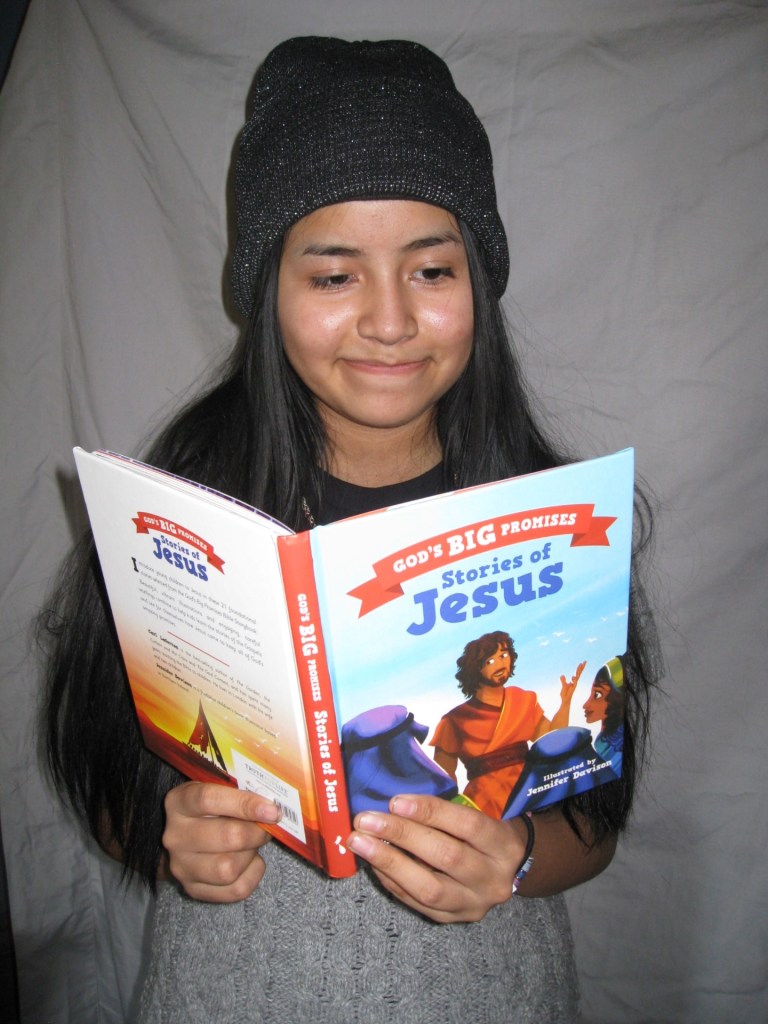
During the time of covid we saw so much illness and dying. We were still with the people prayerfully going forward. We gave out story books to children when schools were closed. They devoured them. They climbed over the side of the four-wheel drive pick-up truck, found the books they wanted. Climbed down and sat in the dirt reading out loud. They became the teachers to their elderly grandparents who never had a chance at school. And speaking of education, without it how could people read God’s Word? We encourage Faith in Jesus and education. Two years ago, a fourteen-year-old girl quit school. She felt so smart. She hid when we arrived at her tar paper home. After a year she came out of hiding with a smile. I re-enrolled she announced, I will be in 9th. grade. She needs shoes and clothes-wanna help?
We invite you, when the reservation is open to tourist, follow us around for a day. Don’t dress up or polish your shoes, you would be out of place. Don’t iron your shirt or curl your hair, you would again be out of place. But do be ready to fall in love. Be ready to meet a people that “heard” the Gospel gladly. You will meet shy Indian children, adults eager to know where you are from. You will sit where we sit, on dirt, there’s no grass! Children will crawl all over you and pets like chickens, kittens and goats will pester you for crumbs or a friendly pat.
Thank you for letting me share my heart with you. With much love and appreciation,Sylvia and Sylvia
P.S. Fifty four years on the Navajo Reservation and still trucking, not bad for seventy eight years old

Summer 2022

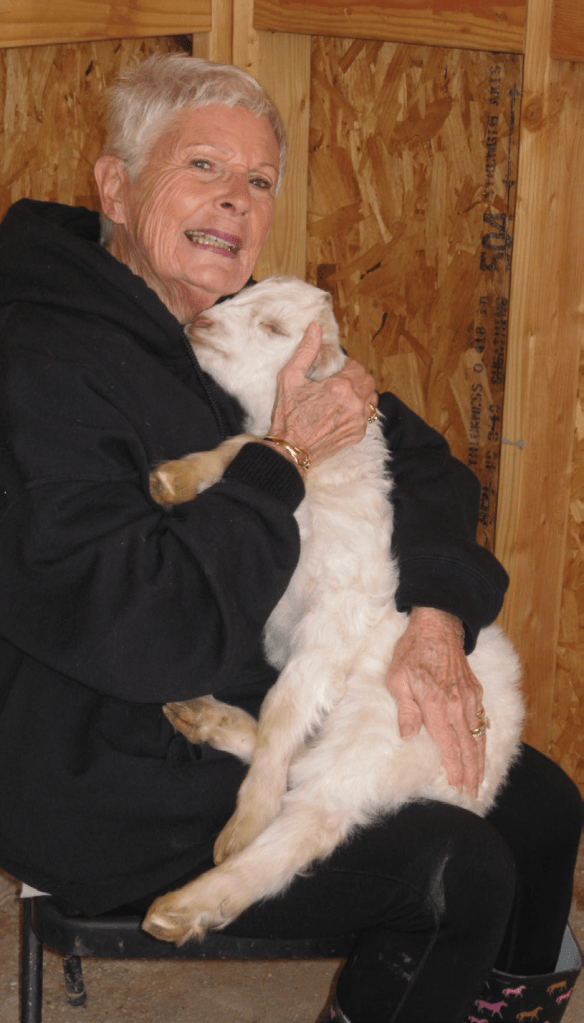
It was about 1969. The four-wheel drive pickup was chugging and bouncing along. The canyon trail was made by Indians on horseback. Then widened as family’s adapted to the buckboard wagon. The going was very slow and I had to hold on tight to the steering wheel. A bobcat crossed my path looking at me as though I didn’t belong. The cat was right, but here I am and here we go. At last, I was on top of the canyon. Far below I could see the trails and small hogan homes, near by each home was a sheep corral. The Navajo people are farmers and shepherds. In springtime, the lambs are born and sleep in the homes with there owners. That way the cold nights or coyotes can’t cause them harm.
I gaze for a long time viewing the landscape of a people who survived the long walk, disease and loss of family members through the generations. And still They smile, sing and embrace each new day. Many still rise early to great the rising sun with hands lifted singing thanks for its power to grow crops and heal the body. It makes me wonder if I am as earnest in my thanks as they are. We can learn from our surroundings and people we come in contact with.
I continue down the trail. The Pinon trees are full and in the fall their nuts bring much joy to the Navajo. The small nut is full of nutrients. They are looked on as a medicine. Then I saw something high in one Pinon tree. I stopped the vehicle and approached slowly. Soon I realized I was seeing something that is not done these days. It was a ”burial tree” for an infant. The body was on a small scaffold and placed about eight feet off the ground. The tree would forever be called a “burial tree” The child would be under a year old. It would be wrapped tight secured lovingly and placed as I saw this one. I would soon be visiting the family related to the child that passed from this world. The mother of course would change her name so the child’s spirit could not find her. I whispered a prayer and continued on my way. The smell of smoke was in the air, I would follow it.
An hour later the path narrowed, I saw something move behind some tumble weeds. An animal I wondered? Then a small Indian boy came to me. His eyes were crying, he was very dirty and bare foot. His feet were bruised and bleeding. He wore no pants. That was normal, pants were not useful and would be in the way of training him how to “go”. He had fallen down into the canyon and was scared. Where’s your mama I asked him in Navajo. He pointed his finger sobbing “mama” I followed his finger as he pointed the way. At last, there ahead was mama standing outside their hogan home looking worried. Sha-ma sha-ma he cried running into her arms. “I sent him to get wood she said but I think he lost himself.” I said in my head, another child sent to do a big boy’s job.
…………………………………………………………………………………………………………
1980’s Life was slowly changing on the reservation. As told to me by Betty Rose. Go ahead shoot me she said to her husband and teenage son. They held shot guns on her ready to fire. Shoot me Betty Rose said. We will! they shouted. Get that Jesus out of your heart or we will shoot you. Do it she said. Jesus is in my heart and He will stay there. You put Him in there, you can take Him out
they demanded, because we don’t like your Jesus. They continued to shout at her. Go ahead she said, shoot me, but Jesus stays in my heart. I’ll go to Heaven and be rid of you and you’ll go to hell.
In time, through many struggles, family members came together and did receive Jesus and grew in faith. This new faith-filled many homes and continues to this day.
Every home is different where I visit. One stands out. An Indian boy of about seven was home alone. Children alone was normal and still is. I asked about his family. Just me home he said. Here I was in the middle of the vast reservation and only one child home. Well I decided, I’ll rest then go on my way. Wanna play he asked. Sure I agreed, why not. OK he said, you the bad guy and me the sheriff, give me your hands. With that he clicked handcuffs on me. A while later I decided this game is over. I twisted my hands, nothing happened. I looked closer at the cuffs. They didn’t look like toys anymore. Stay calm I said to myself. I asked in a sweet voice, how do I get these things off? With a sweet smile back at me he said I don’t know where the key is. I think my daddy has it he’s a cop.
Soon eight weeks of summer school will start. Our Navajo Indian children want to attend. Also, during covid so many children were dropped off at homes and never reclaimed. They also want to attend school. Let’s get together and make classroom supplies available to “all” the children. Many of the native teachers were toddlers when I arrived fifty-four years ago. The teachers are thrilled when we arrive with much-needed supplies. We can do the shopping to save you the shipping. Go with us in prayer as we continue on the trails.
With Much Love and Appreciation,
Sylvia and Sylvia
P.S. Because of Covid 2,000 Navajo Indian Children have no parents. They are hurting, let’s help as many as we can.

Spring 2022

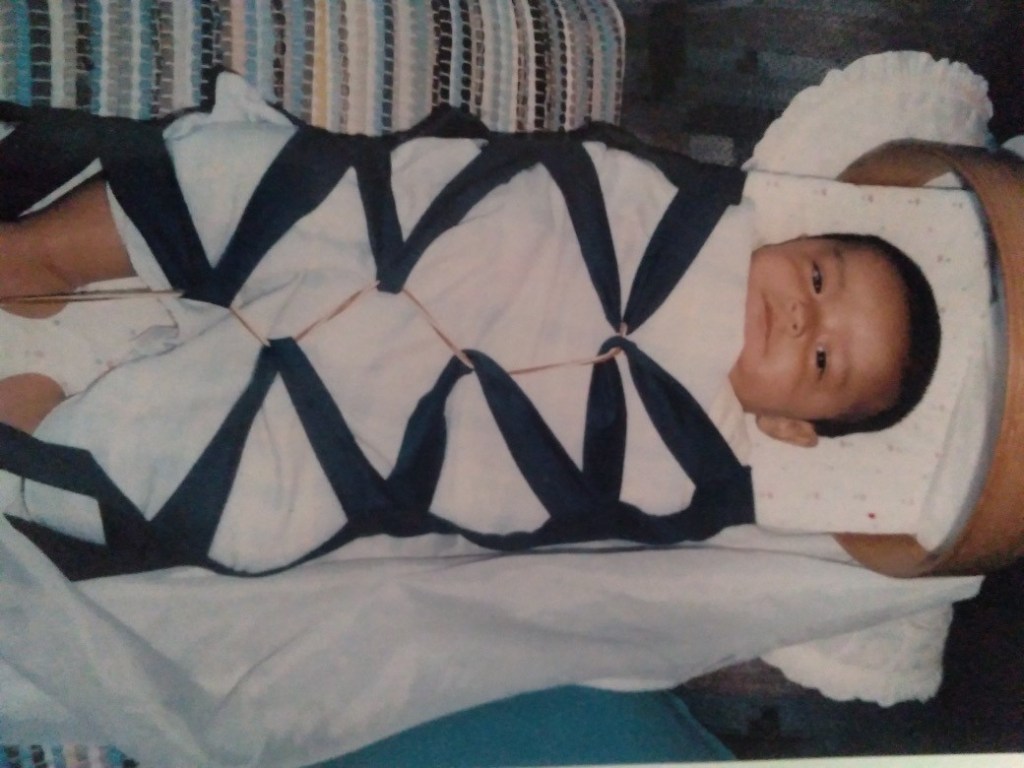
I arrived on the Navajo Indian Reservation fifty-four years ago. I didn’t want to be here. But I had no choice. If you have heard my story, you would know why. I was from New England. Green grass, tall trees and people that talked like me. 1968 here I am among a people that are nothing like me or my way of life. I spent the first five years wandering around wondering what I was supposed to do. I really did not want to stay but there was no place to go. I was lost and lonely. I saw Indian babies strapped to cradle boards. I felt sorry for them till later I realized how safe and comfortable they were. In time, I saw a kindness among the people subtle, but it was there. A child with a headache got relief as the mother gently pulled on the hair.
Then I saw real life with the people that was hard to understand. I saw a mother with small children sitting in the cold outside as the husband sat inside with his relatives eating. I asked her why? We were not invited was her response.
I lived in a fifteen-foot travel trailer. Windows were a new idea. The Indian children were intrigued by them. As they got braver, they would creep toward my house on wheels and giggle watching me. I acted like I didn’t see them; the game was on.
One day I was visiting in a traditional hogan home. The rattle of a rare vehicle could be heard. Go way-Go way the family warned me. I didn’t leave fast enough; the two men were chasing me around my pickup truck. This was one time I was glad they were stumbling and tripping over their feet. I got away but the mother and group of children ran for the safety of a cave where they would hide for days till it was safe for them to return.
One day I saw a large gathering of wagons and men arriving at a hogan home on horseback. I wanted to see. I got as far as the low-cut board door. I saw a young man spread eagle tied down as a medicine man with paint and eagle feather tried to heal him of seizures. The mother spotted me and yelled for me to get away, Christian, go way you dangerous. I left but as the years went by little by little most in the family became Christians.
Used clothes arrived by the box loads. The Indian ladies liked to look, giggle and wonder what and how to wear them. One short round mother found something she always wanted a “bra” she was very large, and it was very small. She gathered her children around her and little by little they tied pieces of material together and soon mama was happy with the outcome.
There was a lot of illness among the people. There was no help, so I got some books on natural healing. One cold winter day a knock came on the trailer door. There stood two young women and an elderly man leaning heavily on a stick for a crutch. They entered, sat down and told me gramps knee hurt and he could not walk on it. I remembered the books I’d been reading on natural healing. I reached for a pair of plyers, gramps opened wide, and I pulled out his top eye tooth on the same side as his stiff knee. Two days later they were back with big smiles. Gramp called me a medicine women. They left and I went back to my books.
As the years went by, I encouraged children to attend school. It went to third grade. The parents got mad at me. The papers and pencils I gave out were a threat to their culture. The children wanted to attend, and the flood gate of education started. Many of the earliest students are now teachers in schools that have sprung up across the reservation. Some are nurses many young men embraced the Marines.
You as a sponsor have a large part in the future of the Navajo people. My daughter and I deliver supplies you send. Everything is greatly appreciated. In my early days I didn’t want to stay, Praise God over the years I can say I don’t want to leave. With my daughters help and your prayers we will be busy on the trails. We need you, your love, prayers, and any help you can send, Aheehe Thank you.
With Much Love and Appreciation,
Sylvia and Sylvia

Spring 2021

Hold on tight grandma. My great granddaughter was ahead of me going slow one step at a time. She was using both hands, white knuckled making her way to the bottom. I was also holding on tight. The flight of stairs looked long and steep to me. Their home in Connecticut has stairs going from one level to the next. So different from my life in Arizona. At home in Arizona my life has no stairs…. none. On the Rez and at home these days I have no stairs, just straight in from outside. My four-year-old great-granddaughter continued to take one step at a time. Me too! That’s when I realized my leg muscles were not used to the climbing up or coming down the many steps. Add all that to wearing trifocals… well I was holding on like the child ahead of me. There’s a reason I’m telling you this.
My mind flashed back to about 1970 while I was living on the Navajo Indian Reservation. I parked my fifteen-foot travel trailer near a Hogan where an elderly Navajo couple lived. Their mud and log dwelling was small and snug in winter and cool in the summer. The dirt floor was swept clean to keep the chickens from coming in to pick up crumbs. I sat with the old couple often drinking coffee. Their names were Sam and Lula. Sam had TB really bad. As a young boy he was among many little ones rounded up and bussed to California for a five-year crash course in education. Many years later he and I chat over coffee. He tries to remember the English words and I try some of my Navajo words and little by little we have a conversation. Sam tells me about working in a coal mine, bringing chunks home for fuel during the winter. He rode his horse thirteen miles every morning to the mine and returning at night. Lula had no formal education. But she was educated in Navajo life and how to live and survive on the reservation. She birthed six children by herself in the old way. As the many native ladies before her she squatted in the Hogan with a sash belt around her middle and pulled down hard with each pain. The aroma of wild sage filled the atmosphere to chase away evil spirits. She diapered the little ones with the soft papery inner bark from the cedar trees. She could weave rugs on her loom dying the colors from the local herbs. She boiled the leaves to the rich colors of that day. She had a flock of sheep that she cared for like her own children. The small lambs were kept in the Hogan at night so coyotes couldn’t get them. Lula always hugged me and in Navajo called me her baby. Their basic foods were Navajo fry bread and mutton stew. They dug for wild onions and potatoes that helped flavor the pot. The veggies were the size of your small fingernail. Their Hogan had no windows. The only light that came in was from the smoke hole at the top.
One day as we sipped; for a change, Navajo Tea, Sam said he and Lula wanted to enter my Hogan. Of course, I knew he meant my small trailer. I walked with them slowly to the spot I had chosen to park. I opened the door. Nothing happened. Sam looked at the metal fold-down steps. Lula held back. I was puzzled. What could be the problem? After some time Sam took a slow step toward
the door. Then to my amazement Sam on all fours with knees on the steps he crawled inside. Once he was inside Lula folded up her traditional skirt of five yards and followed him. This was the first time in their life they ever went up steps, they didn’t know how. Once inside they pulled themselves in a sitting position at the small table. They giggled like two children. Their eyes took in all the sights and exclaimed in Navajo how beautiful my “Hogan” was. Then Sam spotted a clock on the wall. It was the first clock he ever saw. I explained to him it tells you when to sleep and when to eat. The metal clock had a row of yellow chickens that decorated the edge. Sam could not take his eyes off it. Again we had tea and they drank slowly feasting their eyes on my humble home, but I am sure to them it was very lovely. Later as they prepared to leave Sam was still lovingly looking at the chicken clock. I decided to give it to him. He hugged it as we walked back to their home. From then on it hung on the wall above his cot where he slept. When Sam’s time came to cross over into the next life his request was remembered, the chicken clock was buried with him.
Blessings,
Sylvia Webb